Charlie Dates
Pastor, Chicago
Senior Pastor of Progressive Baptist Church and Salem Baptist Church of Chicago; affiliate faculty, Truett Theological Seminary, Baylor University.
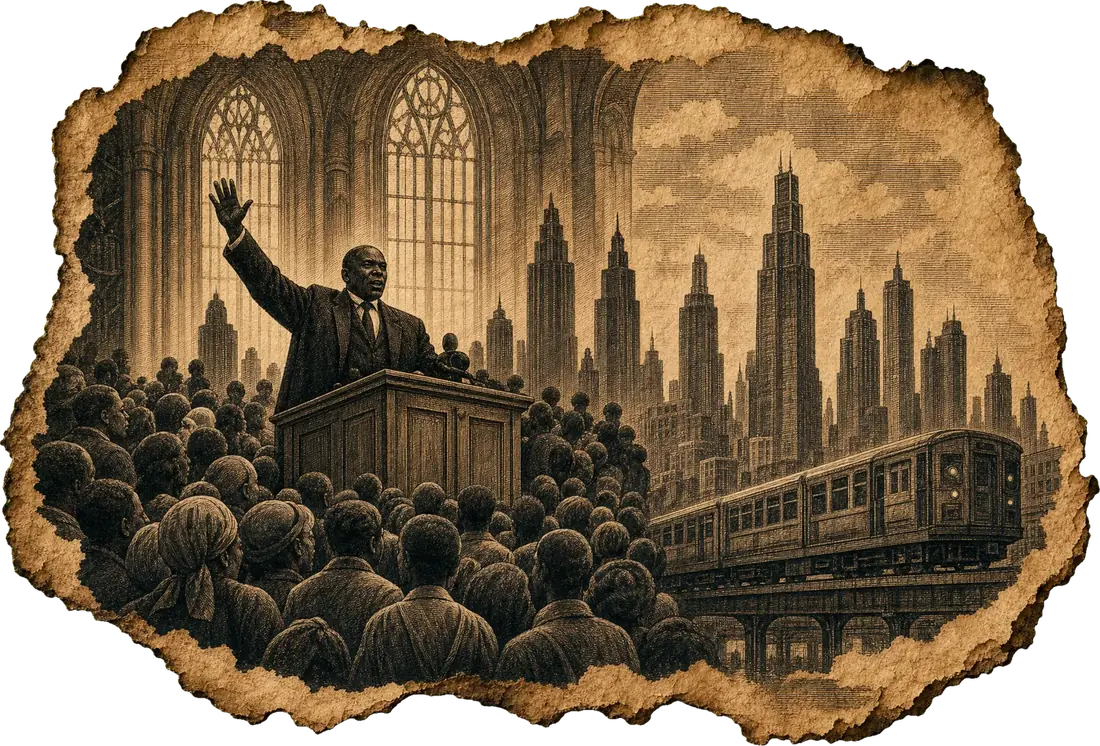
“So in one sense, who's the real missionary? I would argue that the slaves were the real missionaries”

 01
01Witness Introduction
A Chicago pastor with a PhD in historical theology. He preaches inside the tradition the charge accuses, argues the Black church began as a theological verdict on slaveholding religion, and holds his own pulpits to the same test.
 02
02The Testimony
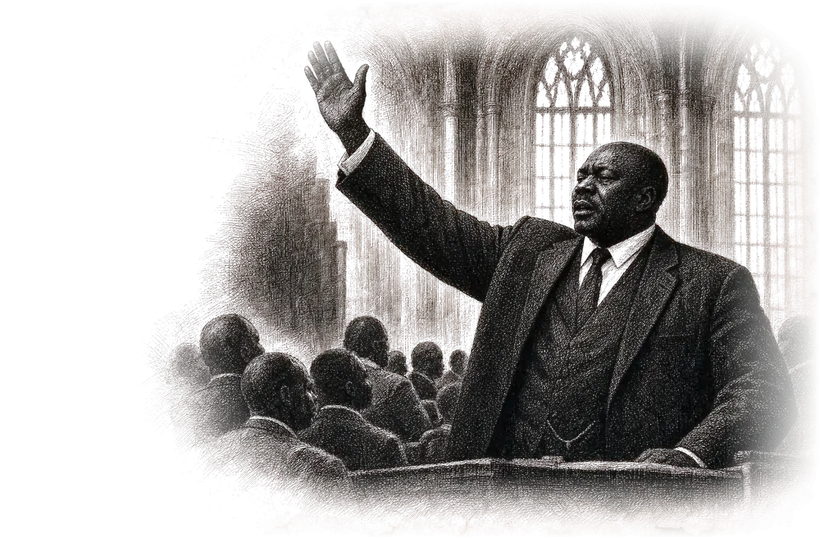
Enslaved believers looked at their owners' religion, judged it false by the Bible's own standard, and kept the faith anyway. They left the room, not the God. The charge, he says, mistakes the counterfeit for the original.
Historical Context
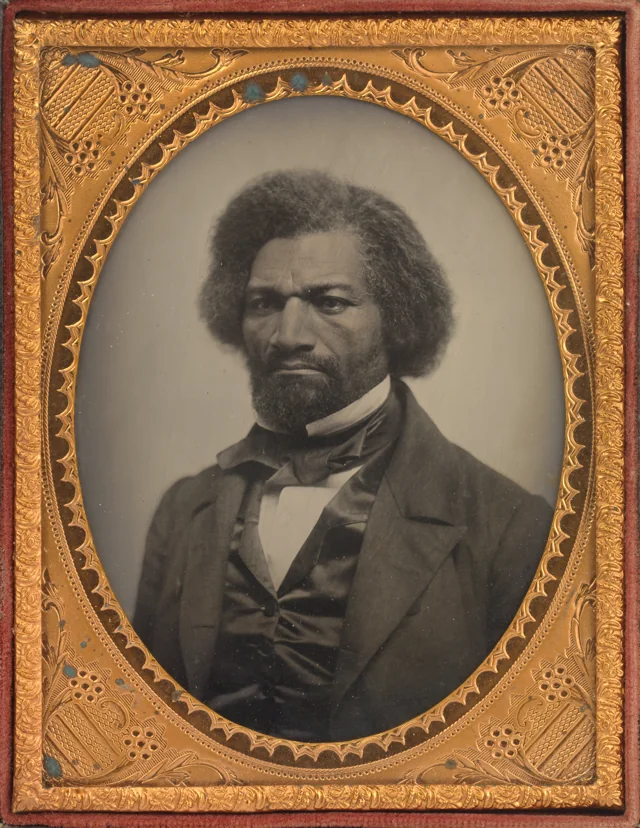
In 1845 Frederick Douglass set the slaveholding religion of the land against “Christianity proper.” Slaveholders kept their version by cutting Scripture. In 1966 Chicago, many Black pastors shut King out, and a few let him preach.
 1619“Christians long before we hit the shores,” he says
- 1807Select Parts of the Holy Bible, London (Exhibit B)
- 1845Douglass's Appendix, Lynn, Massachusetts (Exhibit A)
- 1966The Chicago Freedom Movement (Exhibits D–F)
Exhibits
Analysis
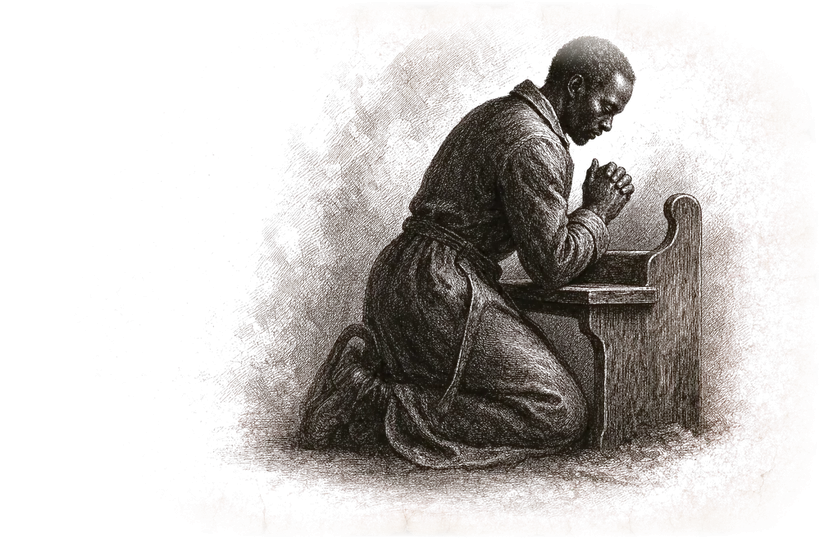 Christianity properDouglass's phrase, as Dates uses it
- Honors the image of God in Black people
- Reads Exodus and Ephesians whole
- “Bigger than printed page”
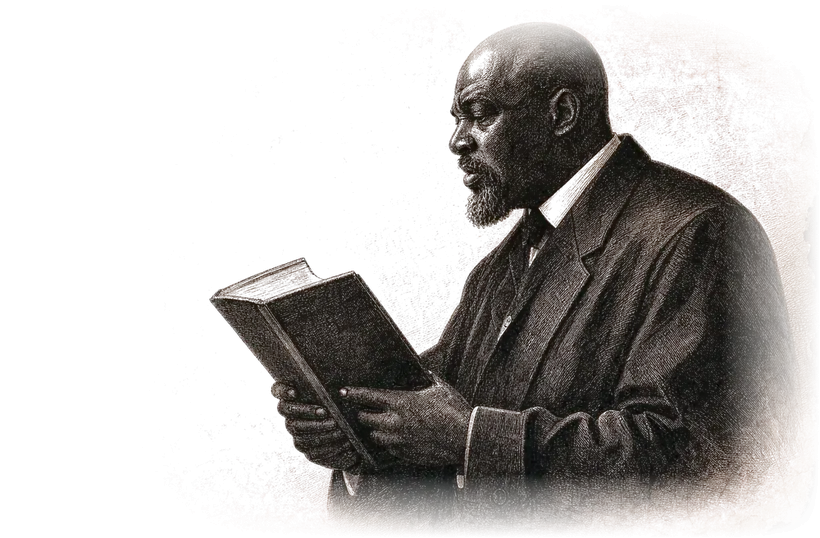 The slaveholding religionOf this land, as Douglass named it
- Would not honor the Imago Dei
- Cut the liberation passages
- Built “on the basis of economic privilege”
Interview Moments
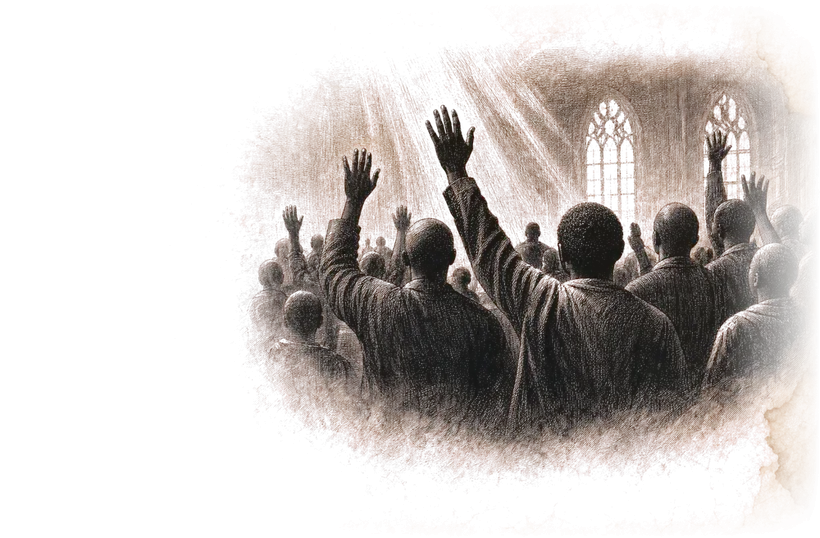 07
07Lasting Impact
What the church built: colleges, hospitals and clubs. Its gift, in his words: “Its soul, its identity, and its protection.”
 08
08Relevance Today
His word to a skeptic: “I would say read the Bible for yourself.”
Reflection
What would someone learn about our faith from how we act?
 10
10Sources & Further Reading
- Douglass, Narrative (1845)
- The slave Bible (1807)
- E. Franklin Frazier; Gardner C. Taylor
- James Cone; J. Deotis Roberts
- Douglass's text, Project Gutenberg
- Voting Rights Act, 1965
- Preaching with Sacred Fire
- American Pharaoh (2000)
- Adam Coleman
- Esau McCaulley
- Jamal Hopkins